


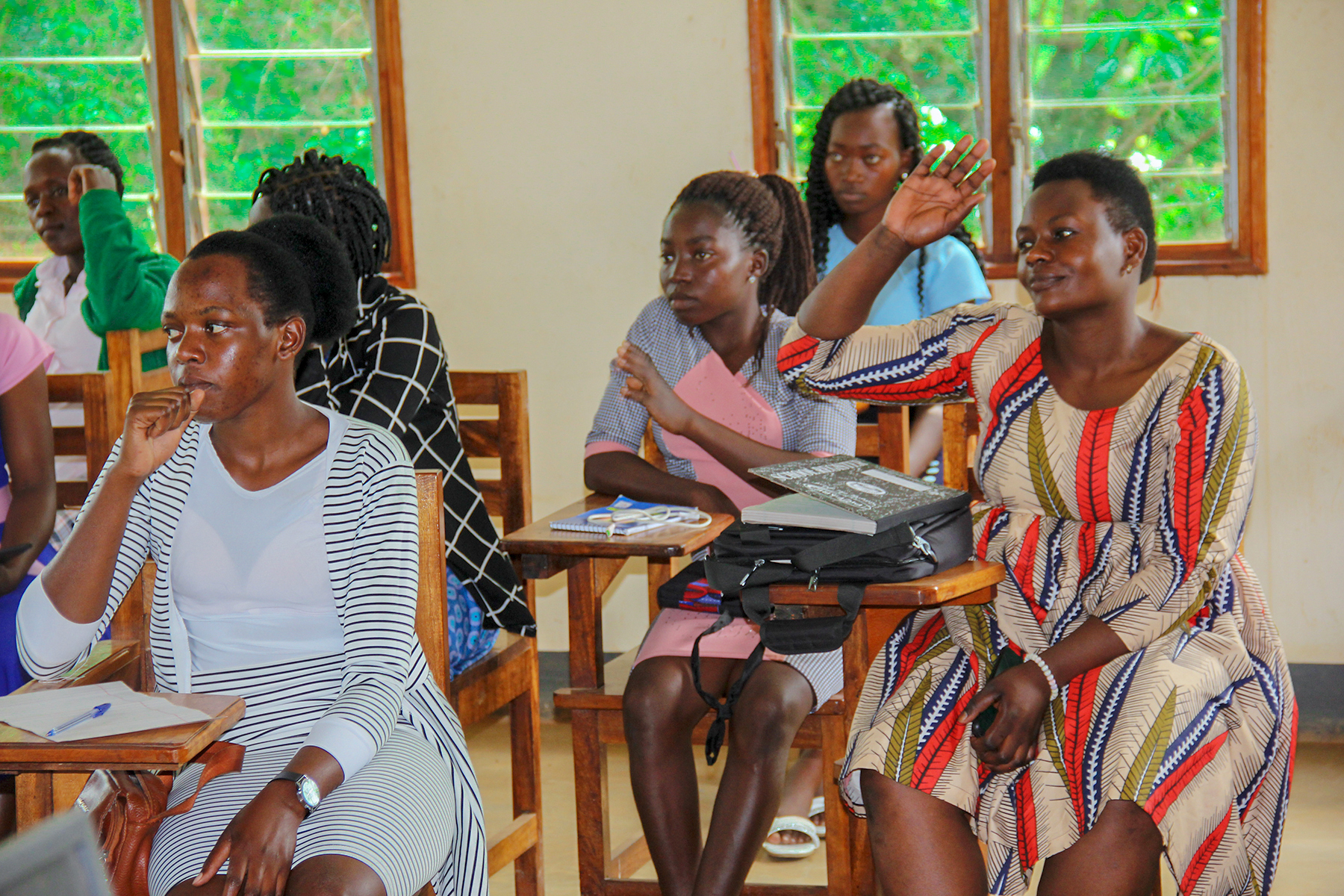
 Rural Development
BRD · Undergraduate
Bachelor of Rural Development
Prepares Rural Transformation Specialists who facilitate community-led change using the Visionary Approach.
Four years · August 2027 intakeView programme

Next intake: August 2027. Applications open April 2027.
Latest news, 16 November 2026
Slide 1 of 8
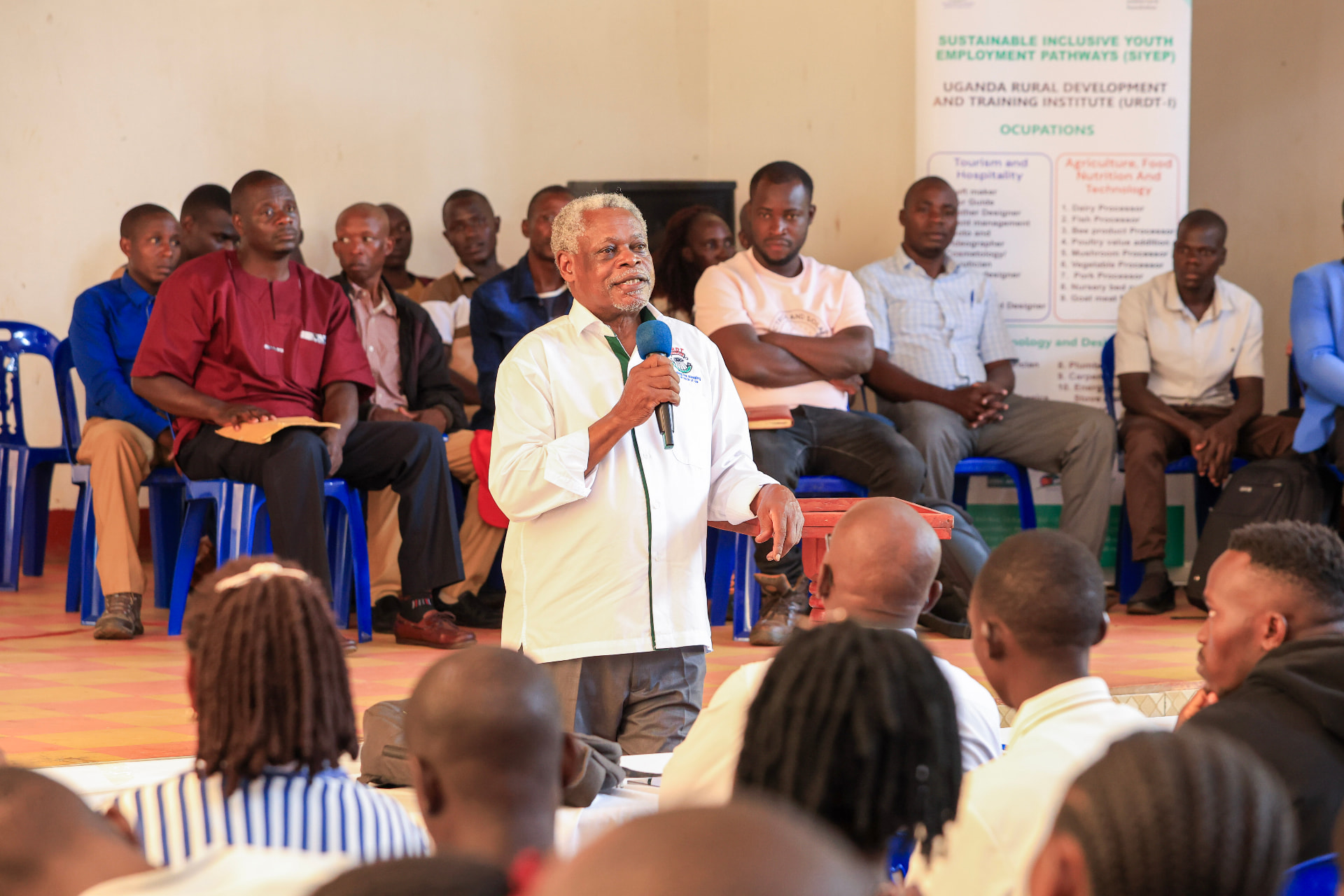
ARU's Uniqueness
African Rural University (ARU) is Uganda's first all-women university focused on rural transformation. It blends academic theory with practical fieldwork to produce visionary female leaders to catalyze transformative change within the African context.
At the core of ARU's model is the Visionary Approach. Unlike conventional models focused on solving problems, this approach emphasises enabling communities and people to create what they truly want.
Upon completion of their studies, all ARU graduates have ready work opportunities in rural transformation as Epicentre Managers with our Mother Organisation (URDT).
Learn more about work opportunities for ARU graduates on aru.ac.ugARU Education Model
ARU uses five working premises that inform the ideology of the University. The first holds that the people of Africa, like the people world over, are key to their own development.
Read more about our working premisesGirls, families and communities
Learning connects a girl, her family and her community. Through the URDT Schools' 2-Generations approach, girls become visionary leaders and change-makers in their homes and villages.
Read more about the 2-generations approachOur academic approach
Daily Learning Experience
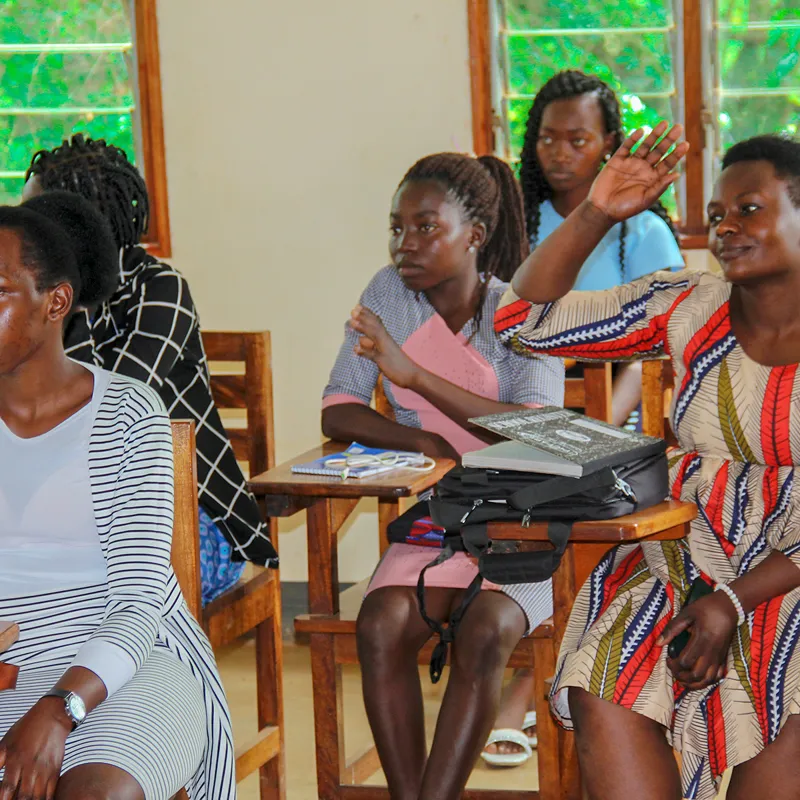
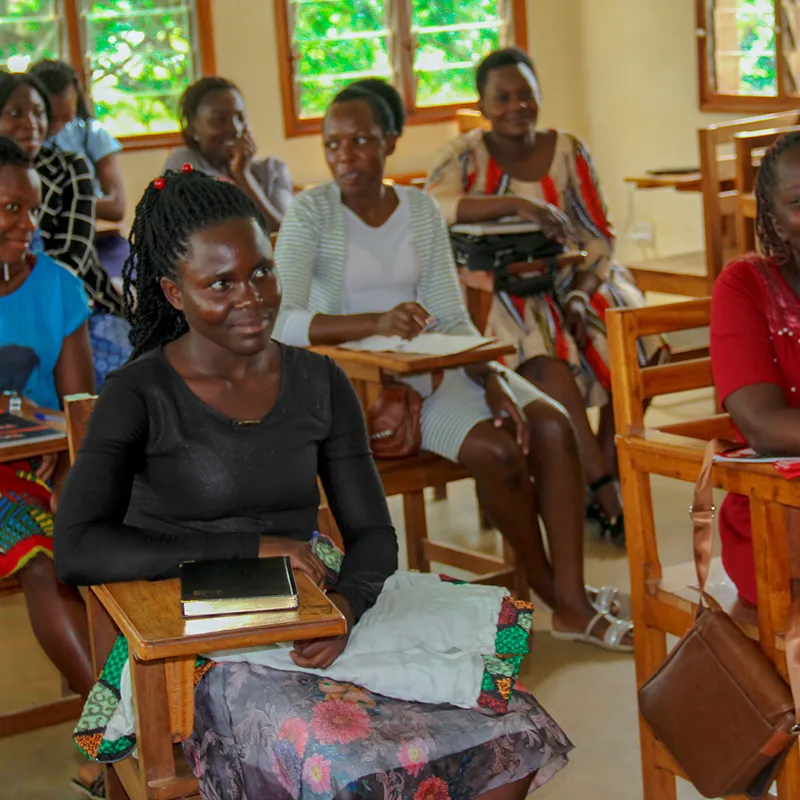
The Foundation Course is an ongoing, university-wide and community-inclusive learning platform. It brings people together each weekday to explore ideas, share experience and learn from one another.
This is a continuous learning experience, not simply a one-time orientation programme for new students.
Monday to Friday
7:45 AM to 9:00 AM
Participants
Students, University staff, Community members, Invited resource persons.
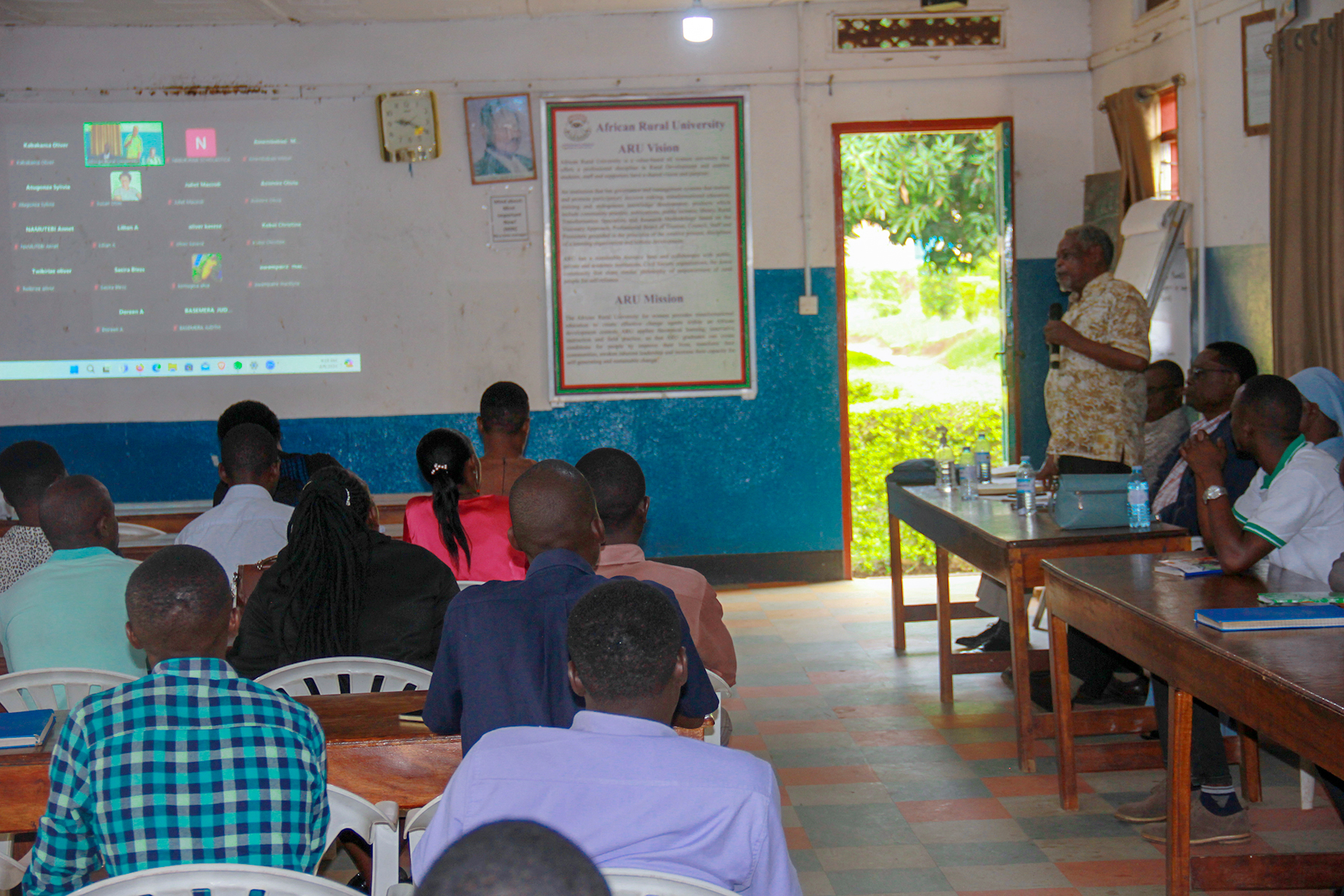
The Foundation Course uses participatory and experiential learning methodologies, including:
Academics at ARU
Explore degree programmes that connect learning on campus with practice in rural communities. Open a programme to see its courses, duration and entry requirements.
Rural DevelopmentPrepares Rural Transformation Specialists who facilitate community-led change using the Visionary Approach.
 Agriculture & Environment
Builds technical and ecological competence for productive, climate-resilient rural farming systems.
 Field Practice
The immersive field component every ARU student completes alongside rural communities.
Notice board
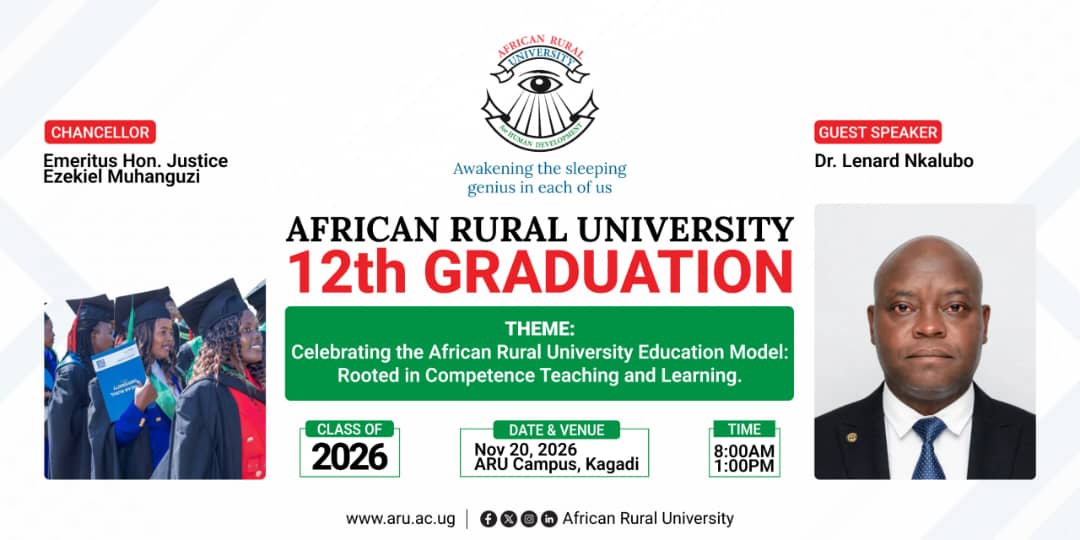
African Rural University will celebrate the Class of 2026 at its Kagadi campus, with Guest Speaker Dr. Lenard Nkalubo, Senior Lecturer at Kyambogo University.
Applications for the August 2026 intake into the Bachelor of Rural Development and BSc Sustainable Agriculture have closed. The next window opens April 2027.
Registration deadlines, examination clearance requirements and the process for late registration.
A public session on structural tension and the creative orientation, open to students, staff and community partners.
Community Engagement
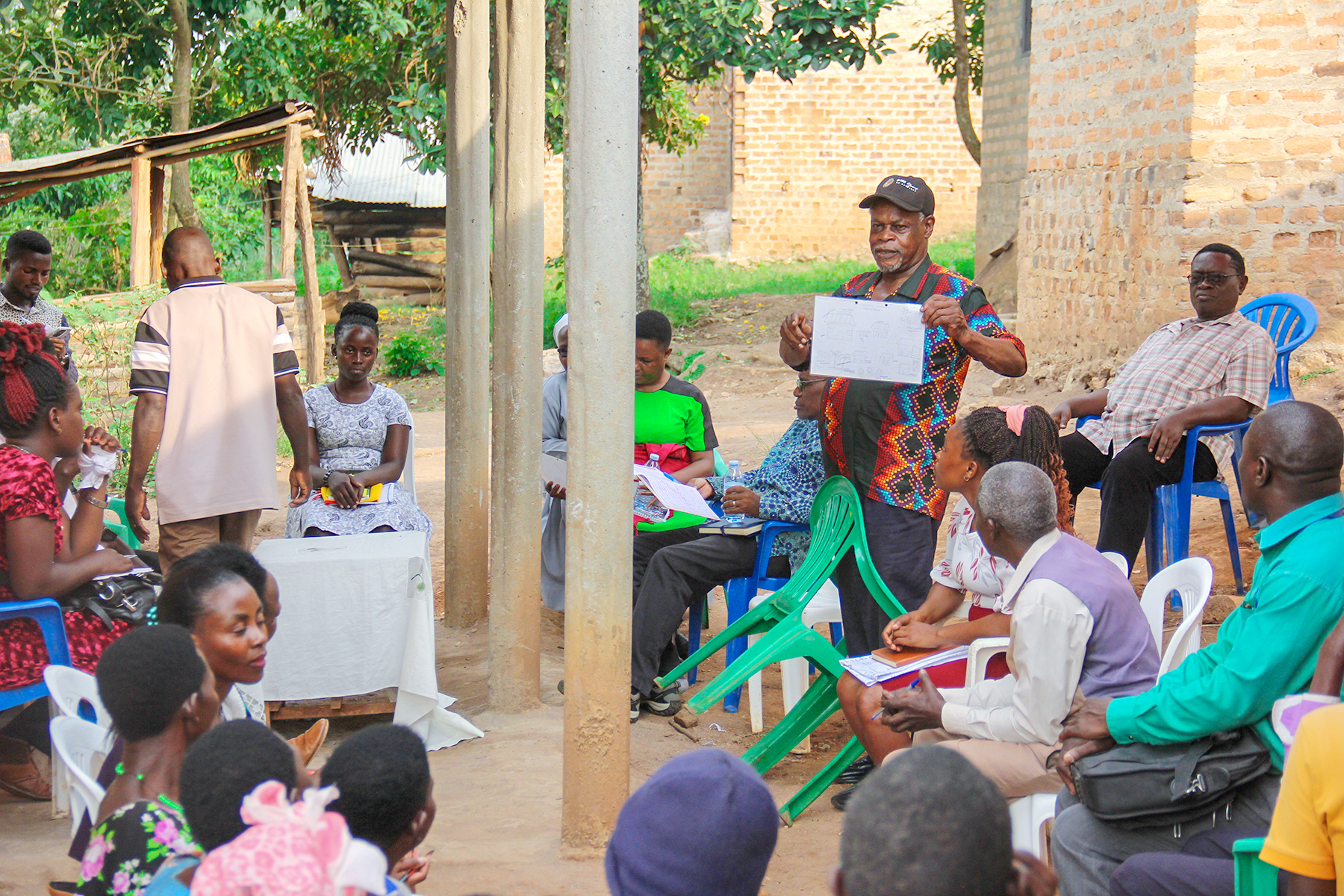
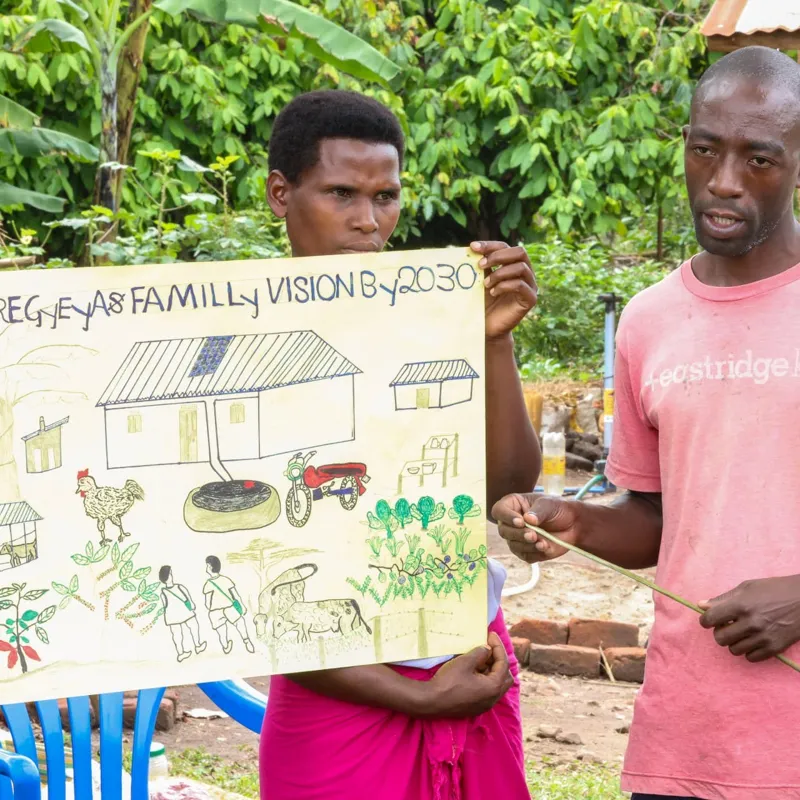
Students and staff work alongside rural households, not on their behalf. Communities set their own vision, while ARU supports the learning and action that helps bring it to life.
Students live with host households, learn the language of daily life and build trust before proposing anything.
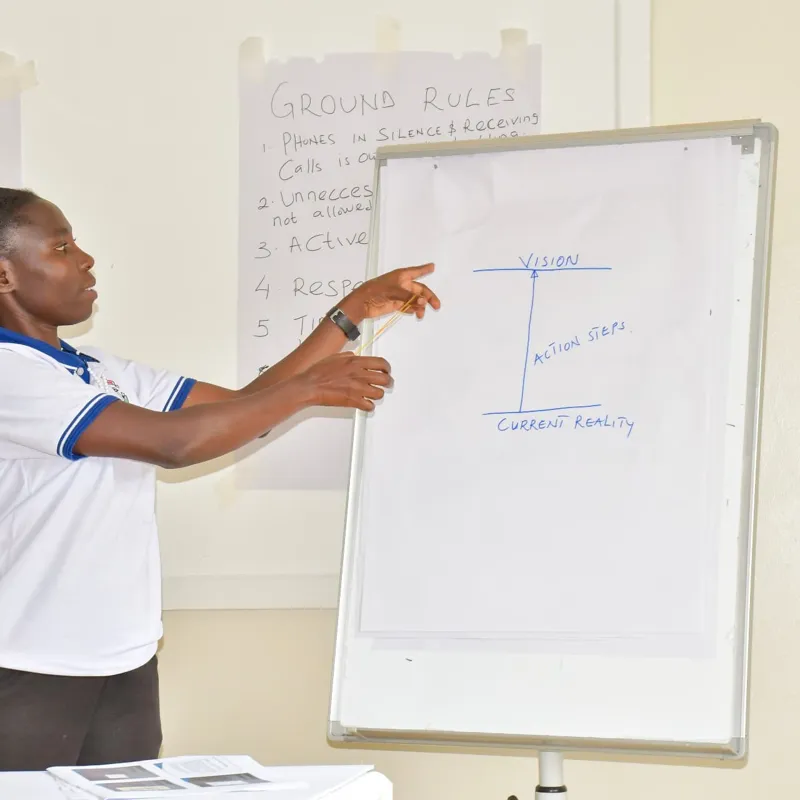
Households and groups articulate the future they want, for their farm, their children's schooling, their income.
Together we map current reality: land, water, income, health, skills and relationships as they actually are.
With rural households, aru students, aru academic staff.
Explore community engagementIndigenous Knowledge
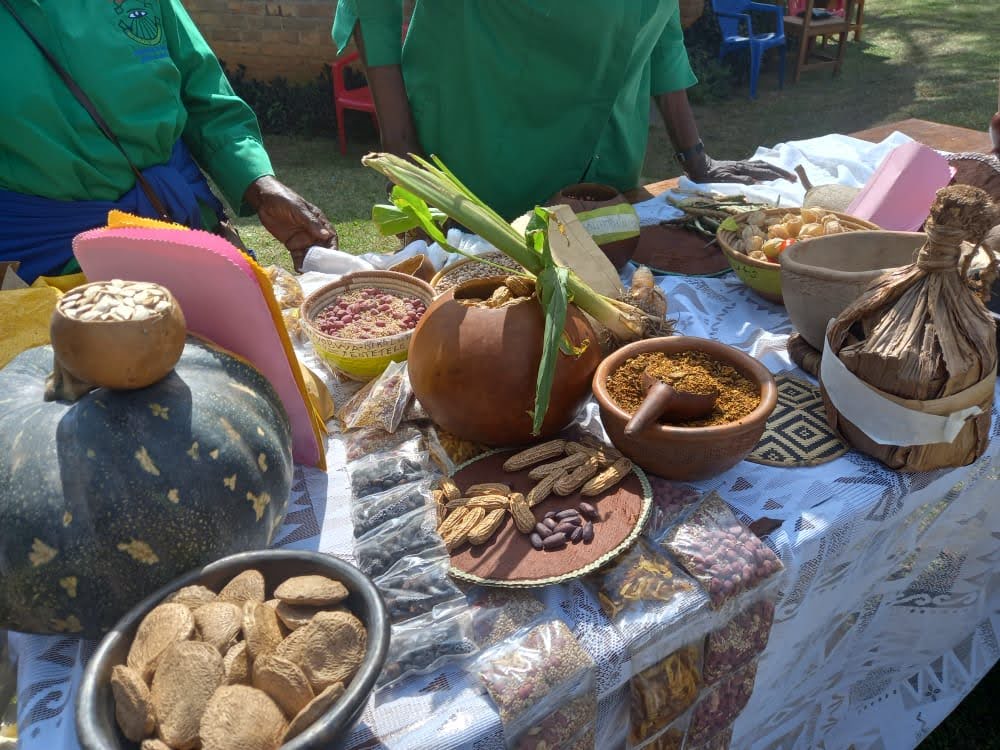
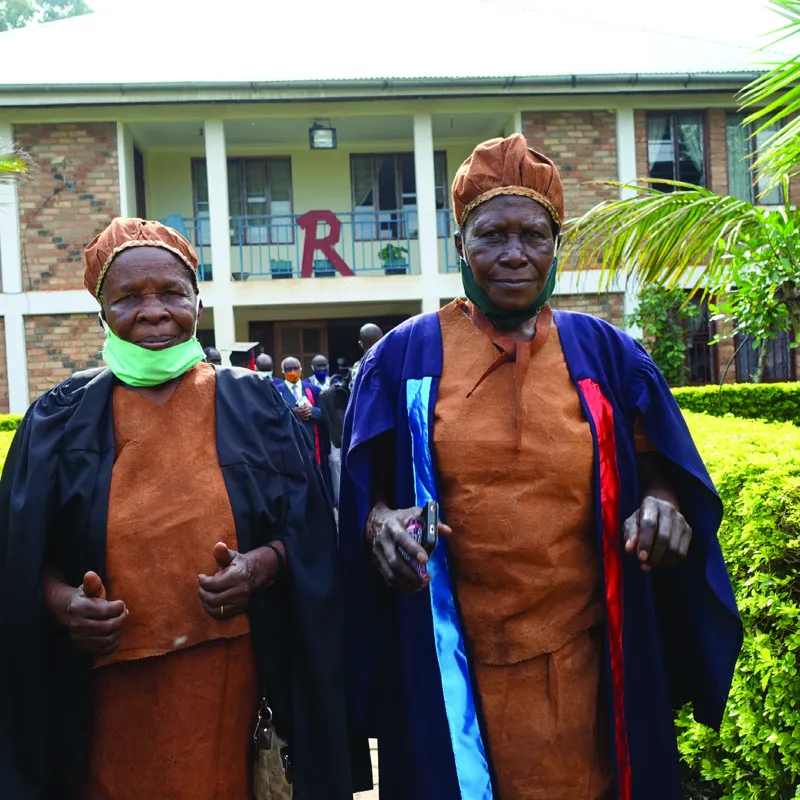
At ARU, community wisdom belongs alongside academic learning. Traditional Wisdom Specialists work with students and researchers to honour local knowledge and apply it to rural transformation.
Elders and custodians of indigenous knowledge work with students and researchers as recognised specialists.
Sessions are recorded with consent and archived in the ARU Library so knowledge is not lost.
Calendar
Newsroom
ARU Communications · 16 November 2026
ARU Communications · July 29, 2026
ARU Communications · July 12, 2026
ARU Ecosystem
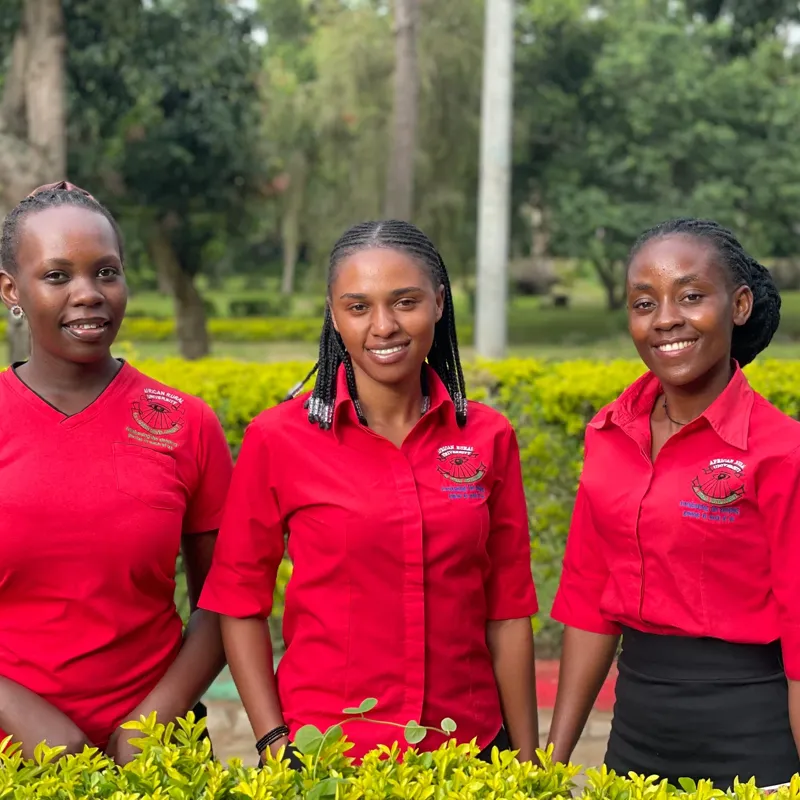
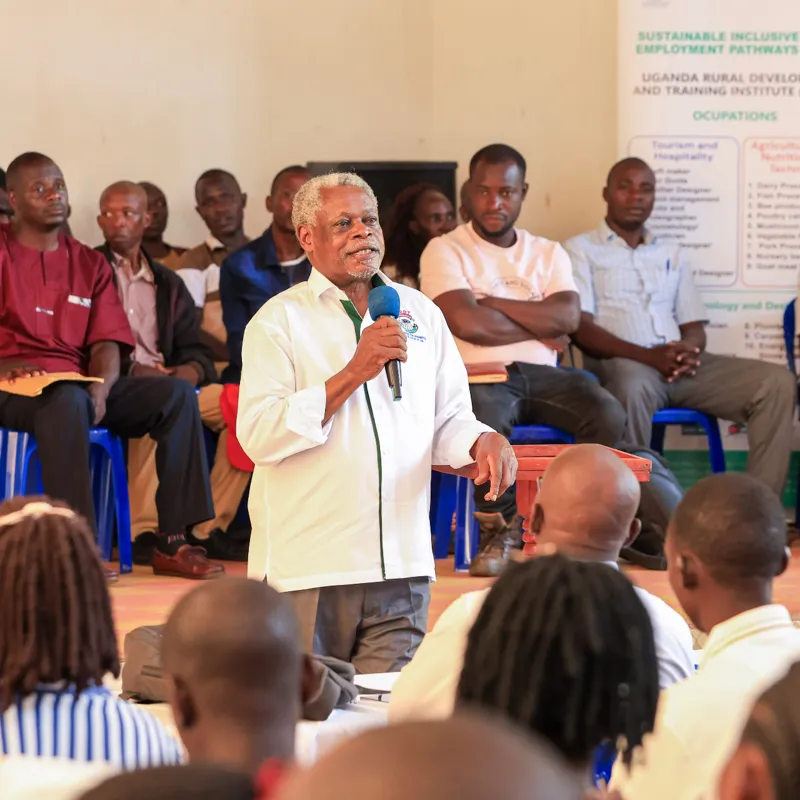
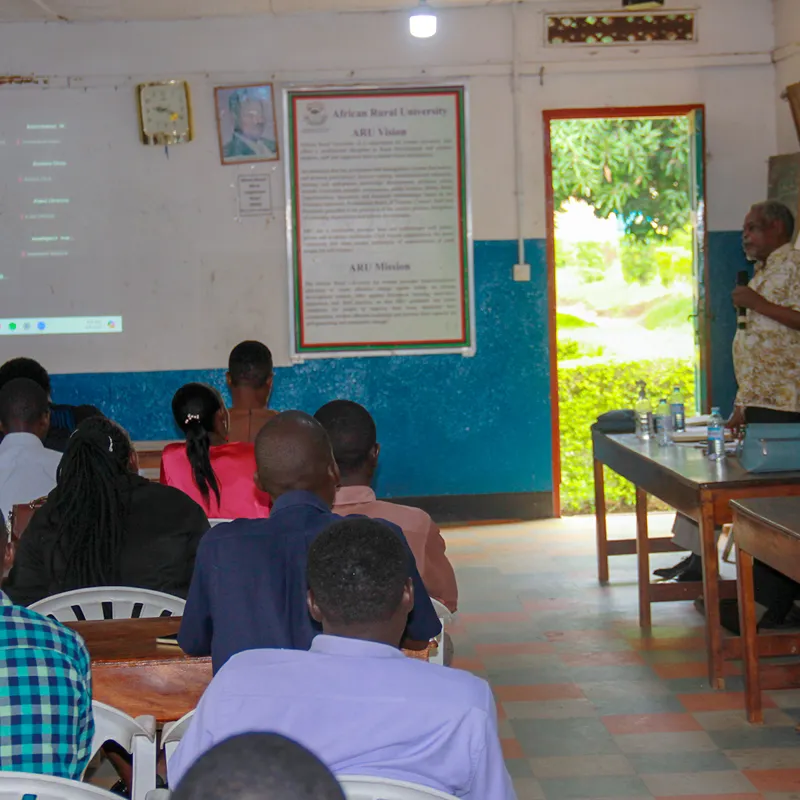
Green hills, gardens that double as classrooms and monkeys in the trees. Campus life in Kagadi brings students, staff and neighbouring communities together.
 A campus within the landscape
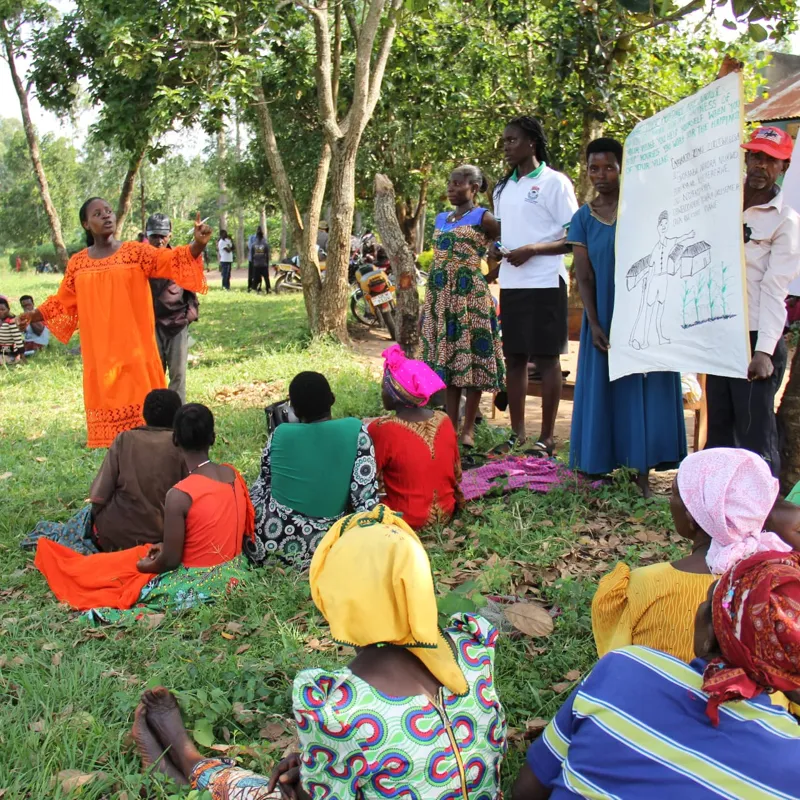
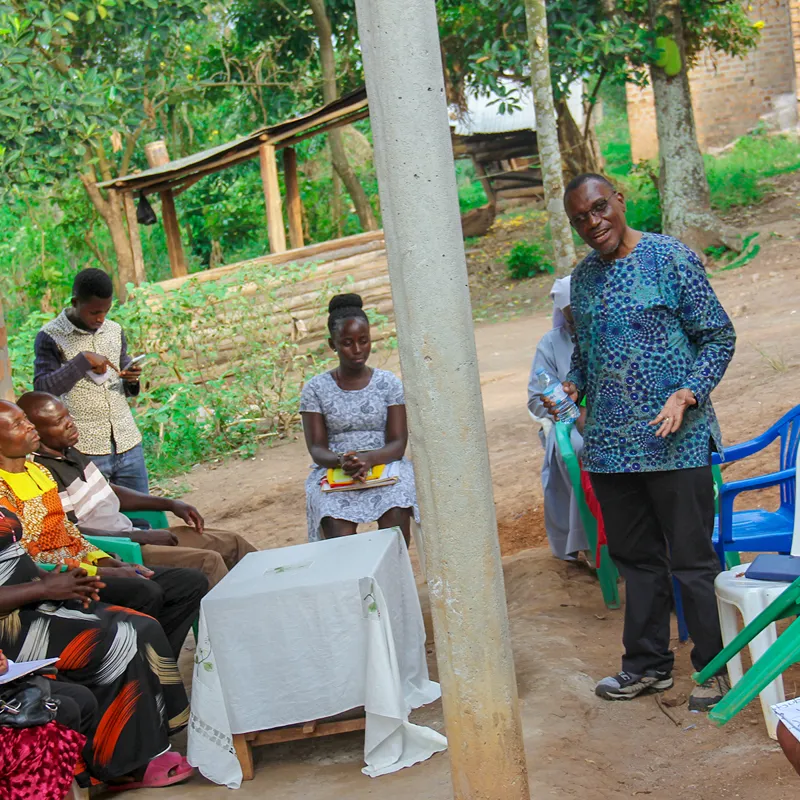
 Learning alongside host families in their gardens
Learning on campus and alongside rural communities.







Stay informed about ARU.
We use your details only to respond to you. See our Privacy Policy.
